0
Skip to Content
Lacy Chenault
Lacy Chenault
About
Shop
Belly Dance
Birds
Butterflies
Cats
Chickens
Bees
Hummingbird Moth
Chipmunks
Deer
Dogs
Monarch Butterflies
Fox
Frogs&Toads
Goldfish
Koi
Owls
Peacocks
Raccoons
Snails
Spiders
Rabbits
Snakes
Squirrels
Turtles
Flowers
Milkweed
Sunflowers
Fungi
Rose of Sharon
Trees
Orange
Samhain
Autumn
Peace
Journal
Lacy Chenault
Lacy Chenault
About
Shop
Belly Dance
Birds
Butterflies
Cats
Chickens
Bees
Hummingbird Moth
Chipmunks
Deer
Dogs
Monarch Butterflies
Fox
Frogs&Toads
Goldfish
Koi
Owls
Peacocks
Raccoons
Snails
Spiders
Rabbits
Snakes
Squirrels
Turtles
Flowers
Milkweed
Sunflowers
Fungi
Rose of Sharon
Trees
Orange
Samhain
Autumn
Peace
Journal
About
Shop
Belly Dance
Folder: Fauna
Back
Birds
Butterflies
Cats
Chickens
Bees
Hummingbird Moth
Chipmunks
Deer
Dogs
Monarch Butterflies
Fox
Frogs&Toads
Goldfish
Koi
Owls
Peacocks
Raccoons
Snails
Spiders
Rabbits
Snakes
Squirrels
Turtles
Folder: Flora
Back
Flowers
Milkweed
Sunflowers
Fungi
Rose of Sharon
Trees
Orange
Samhain
Autumn
Peace
Journal
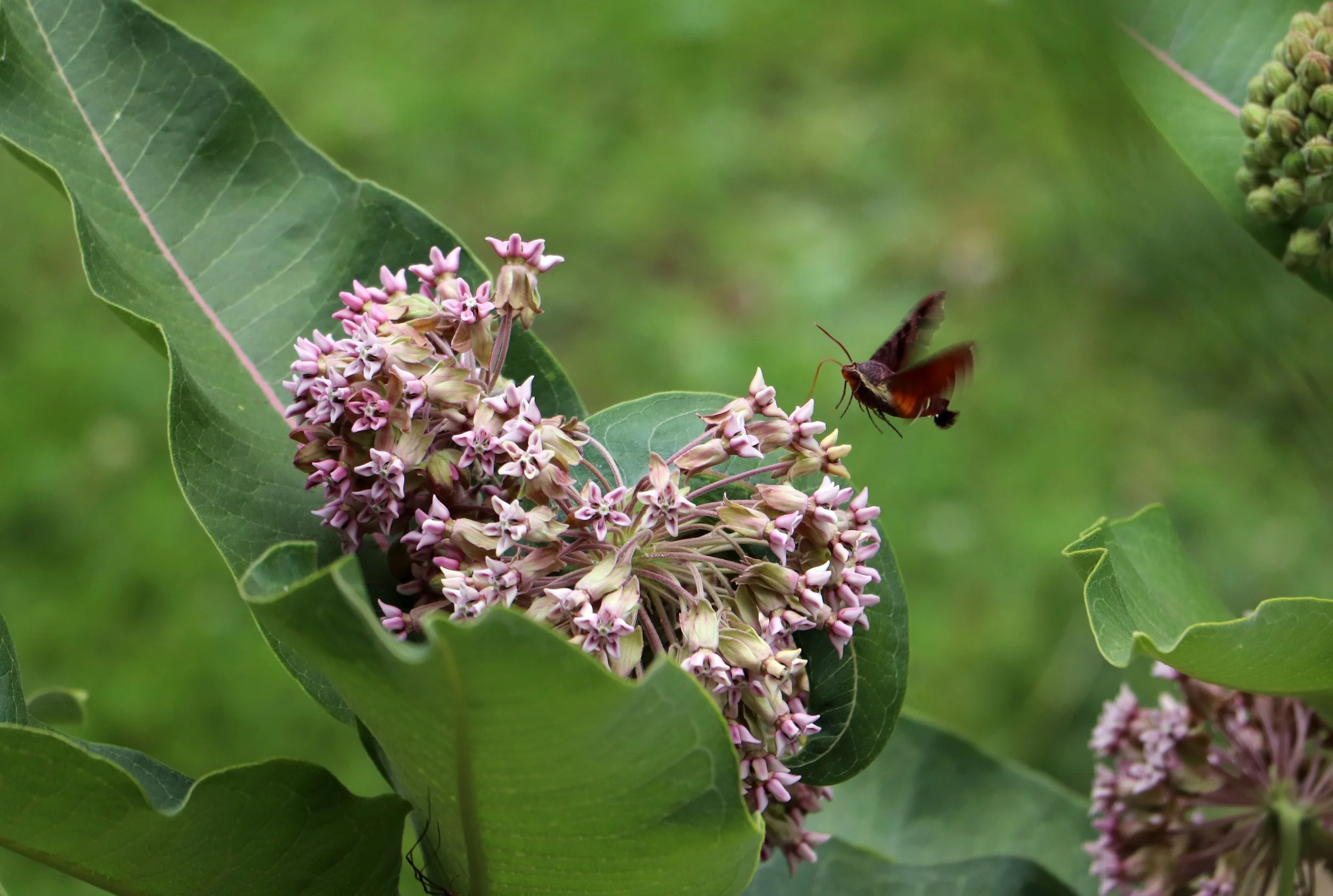
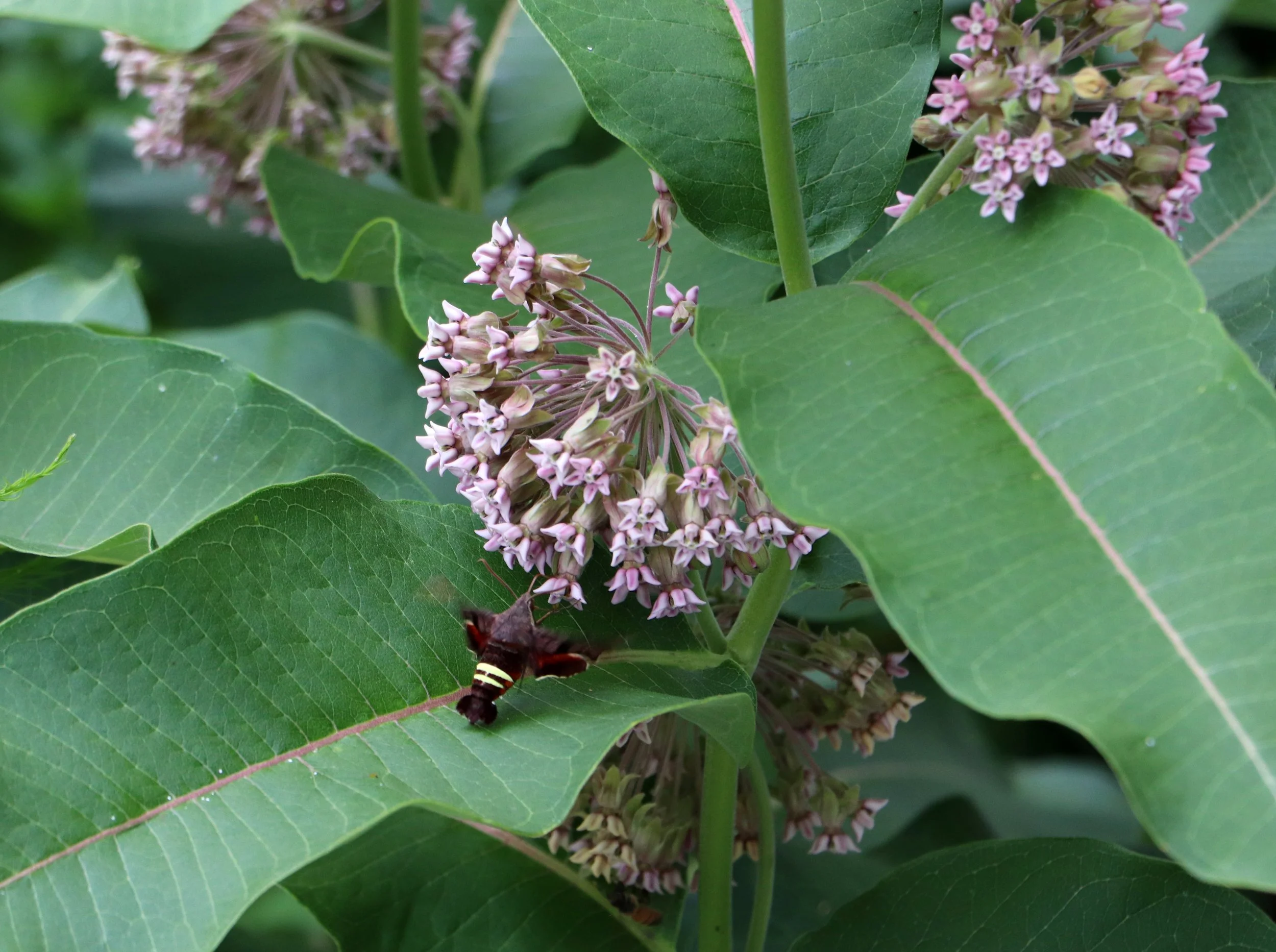
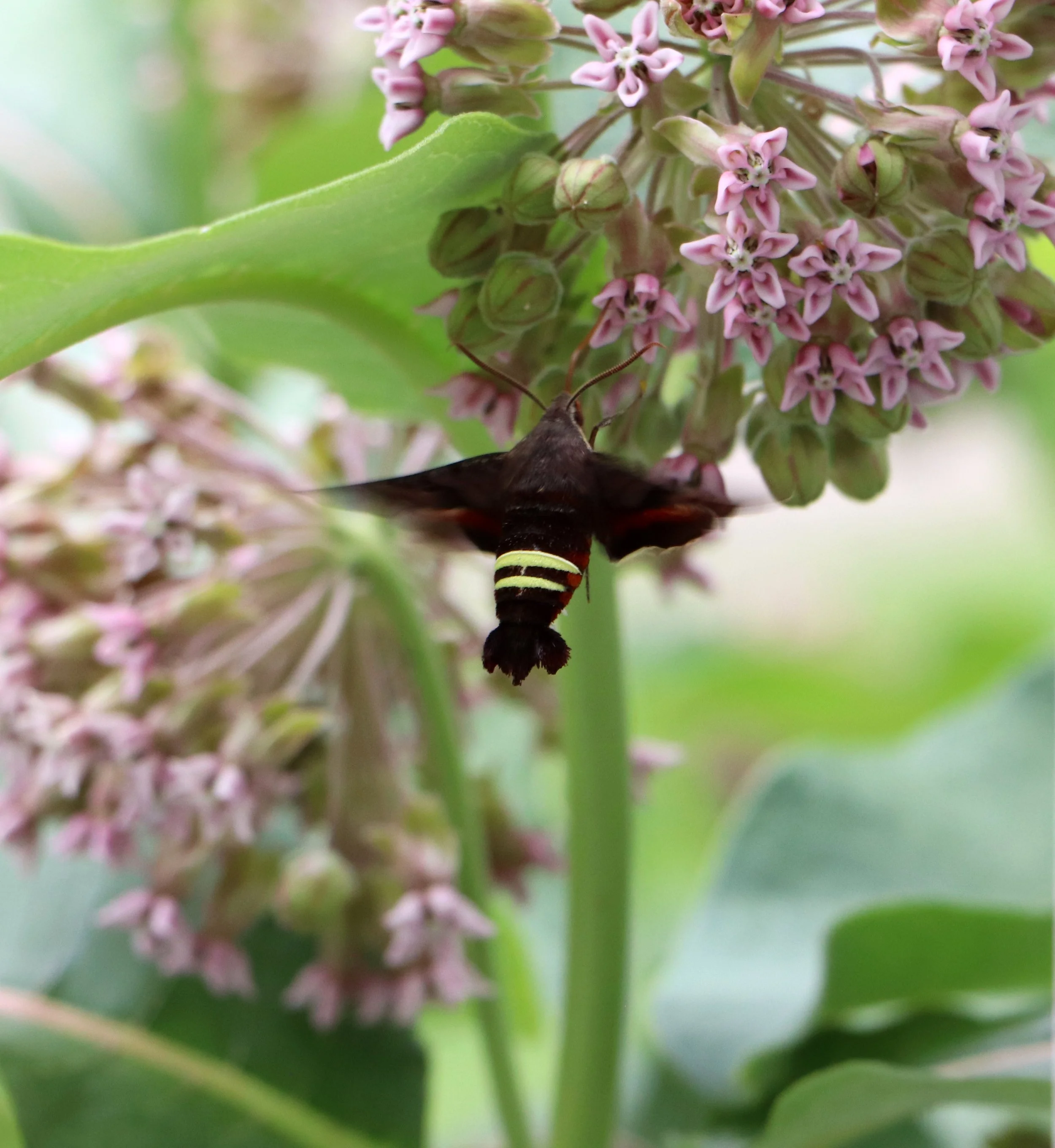
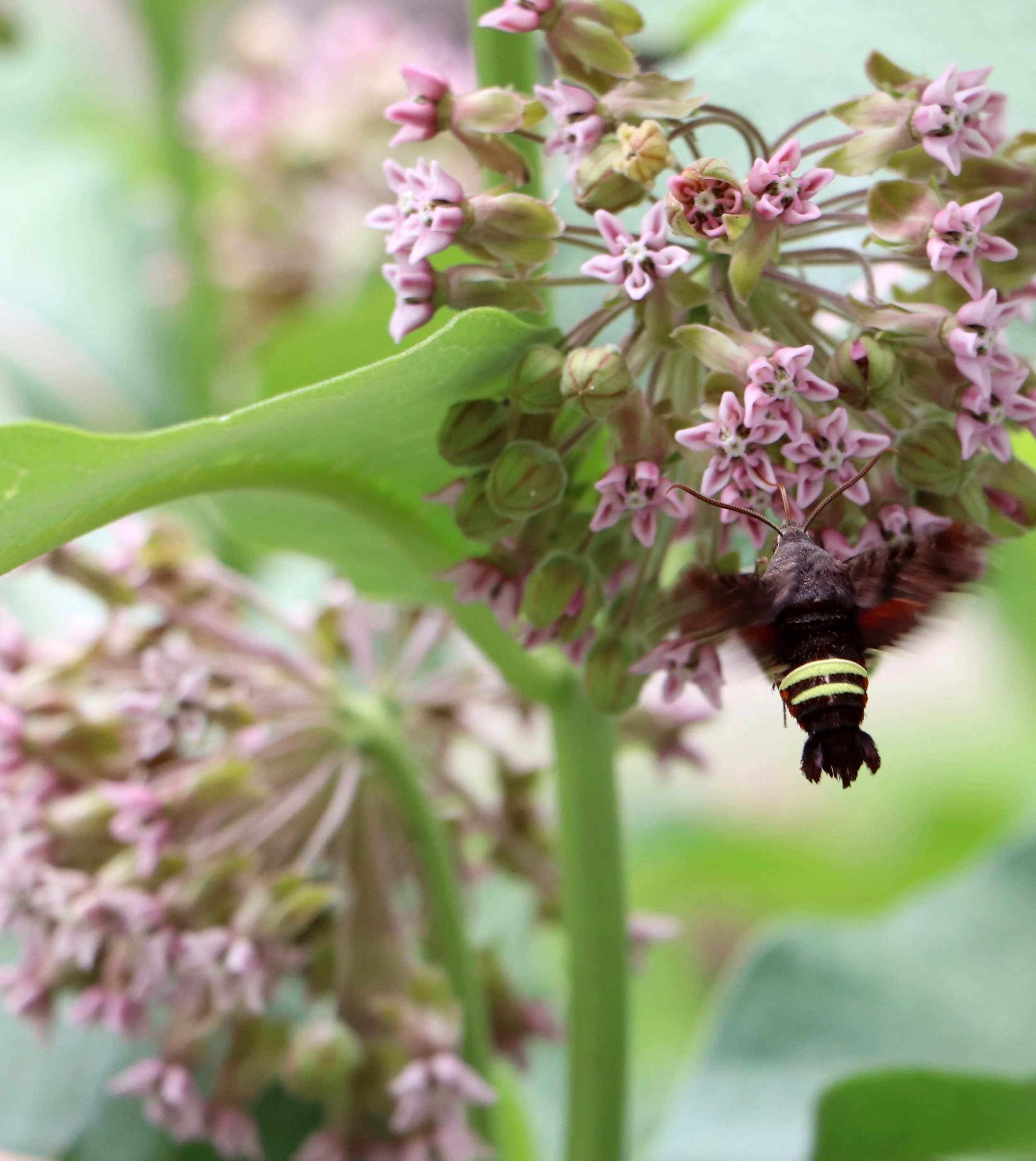
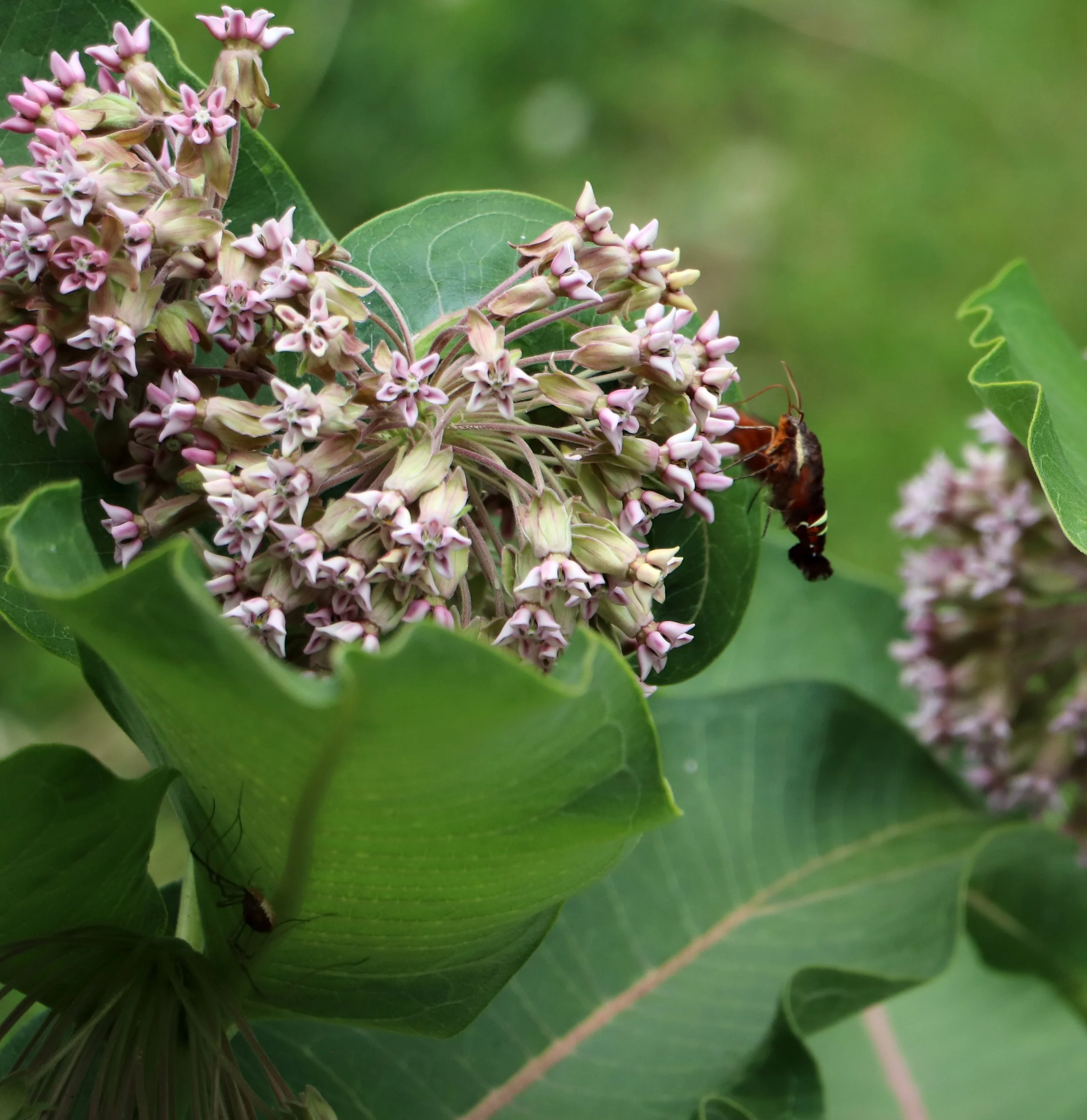
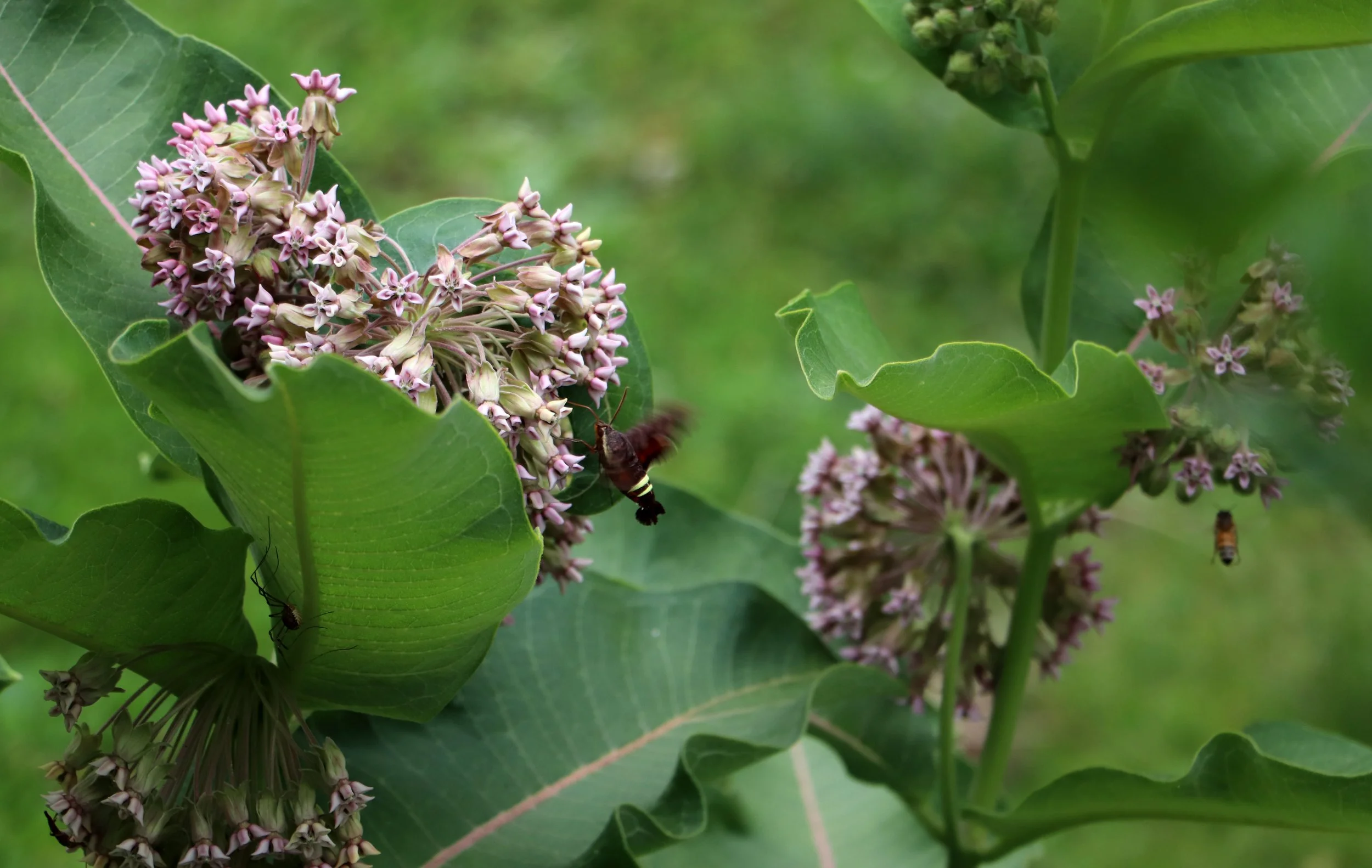
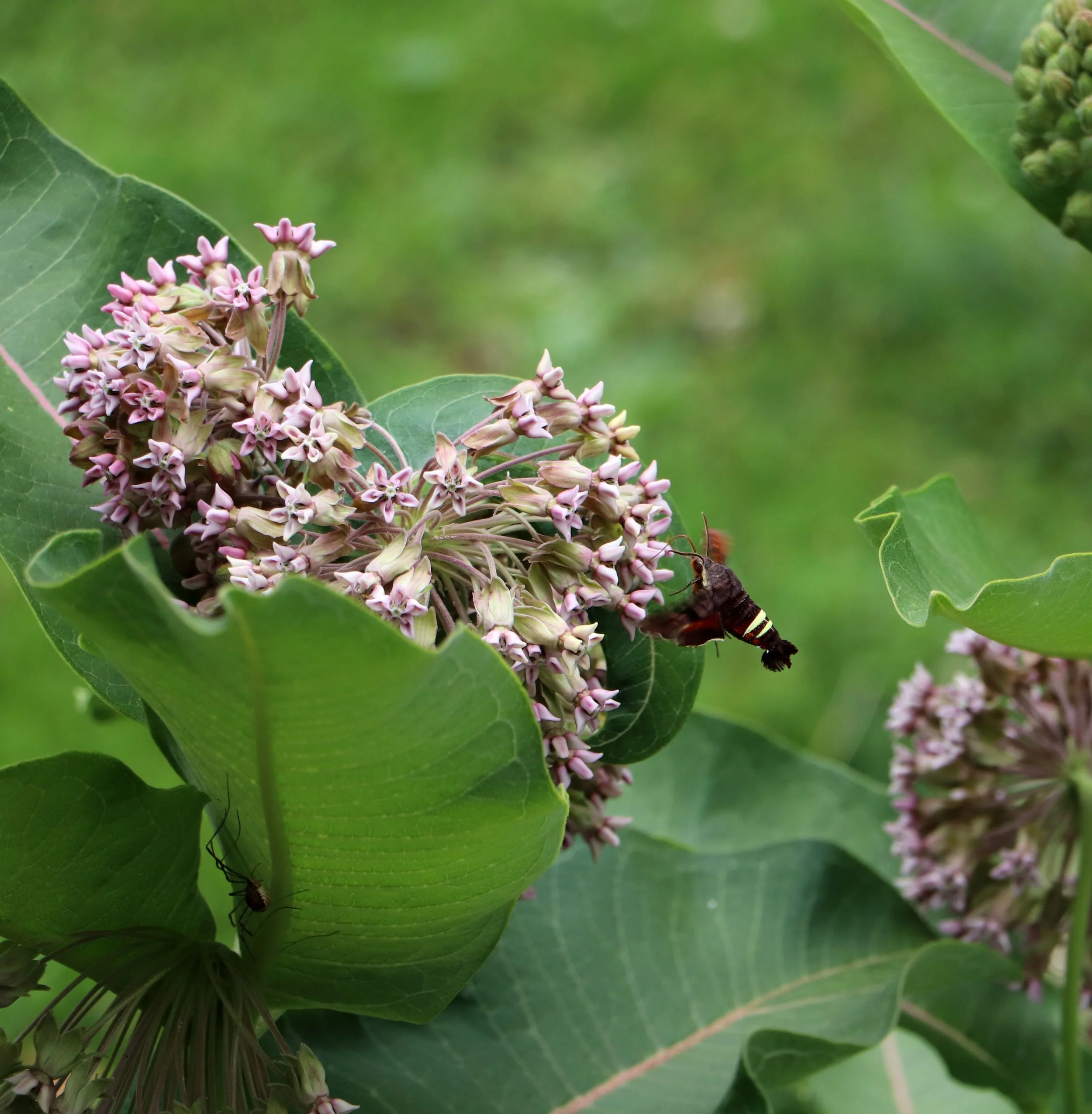
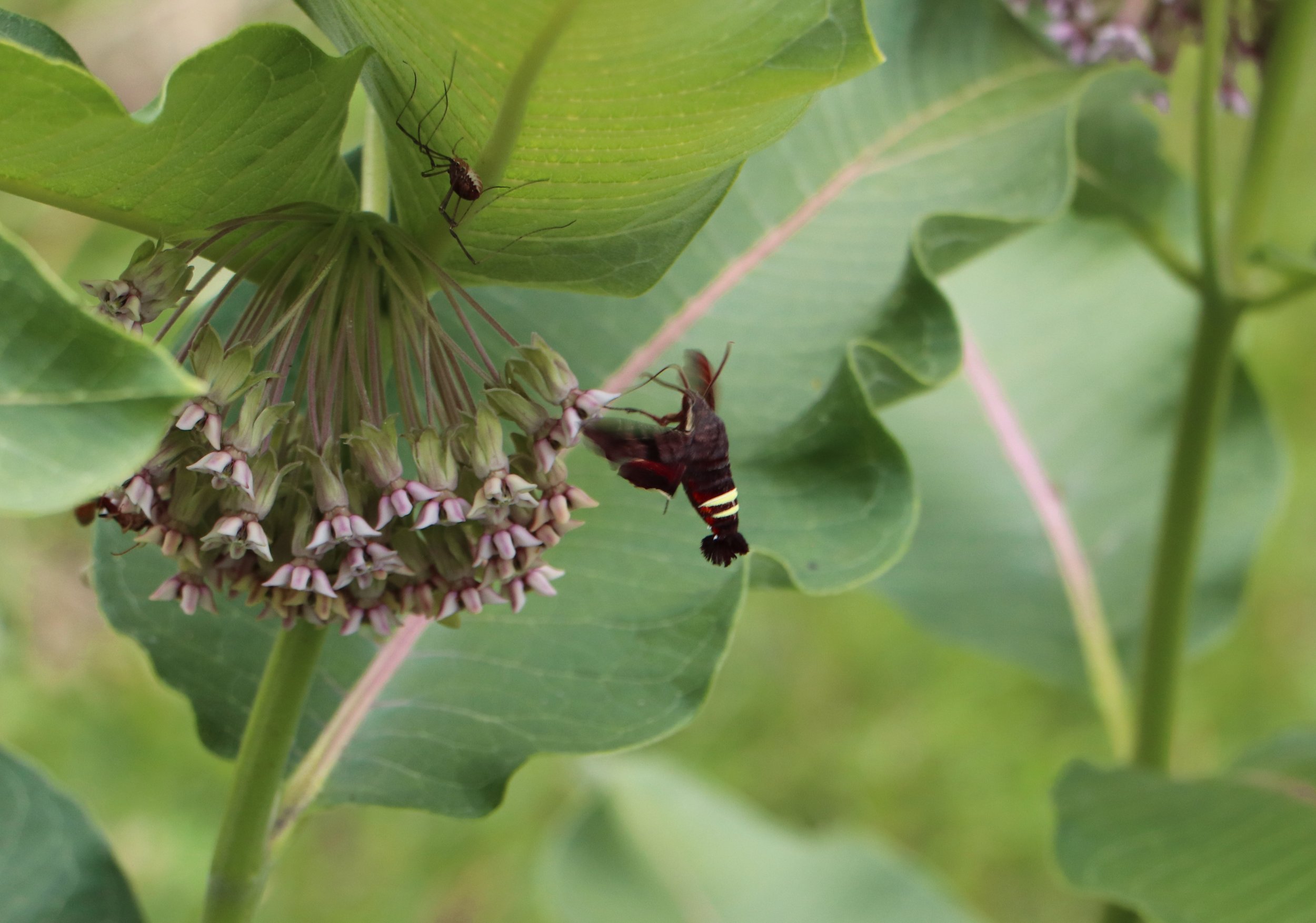
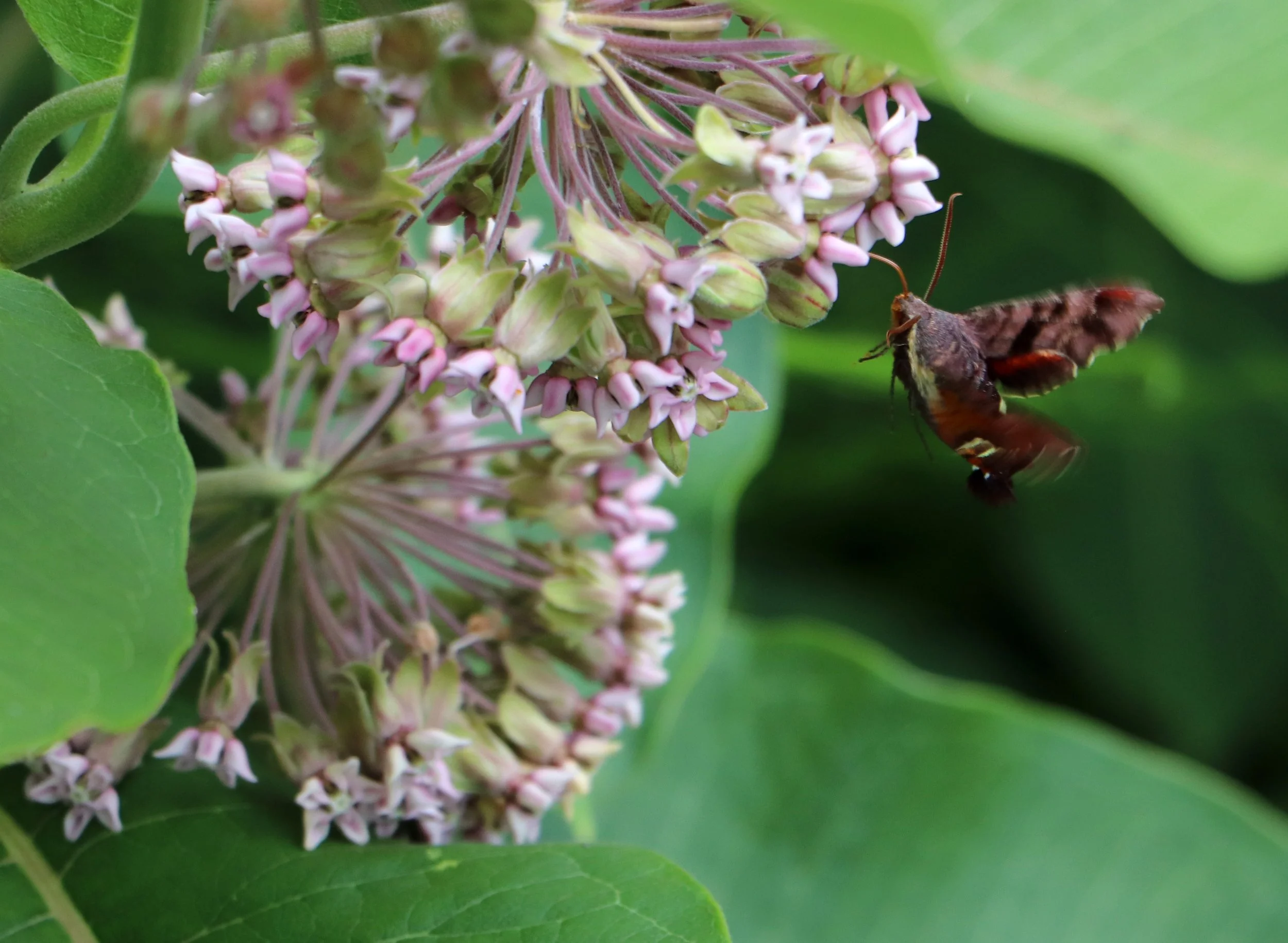
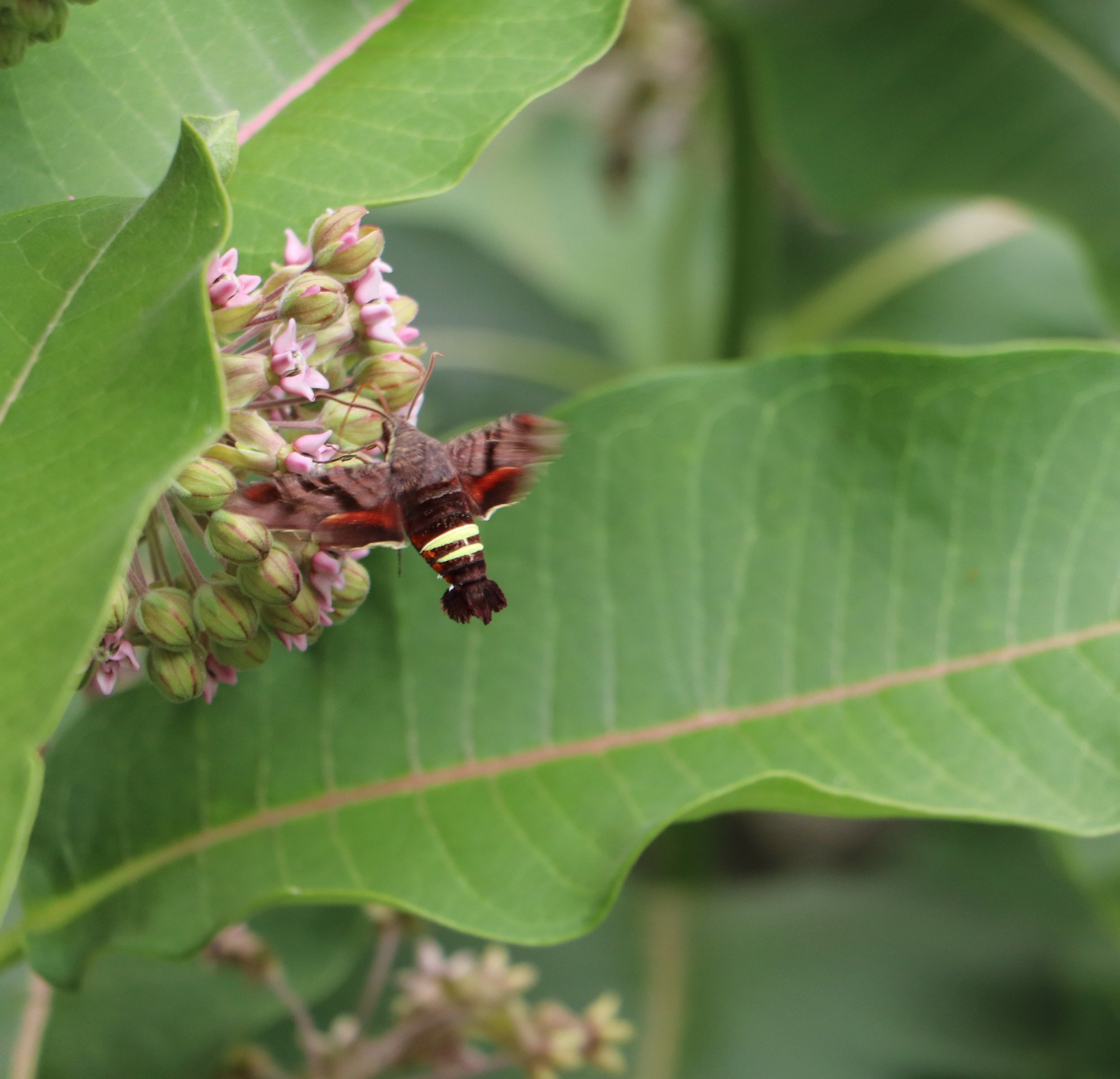
These are members of the sphinx moth family (Sphingidae), often referred to as "hummingbird moths" because of how they hover and zoom from flower to flower during the day and at dusk.
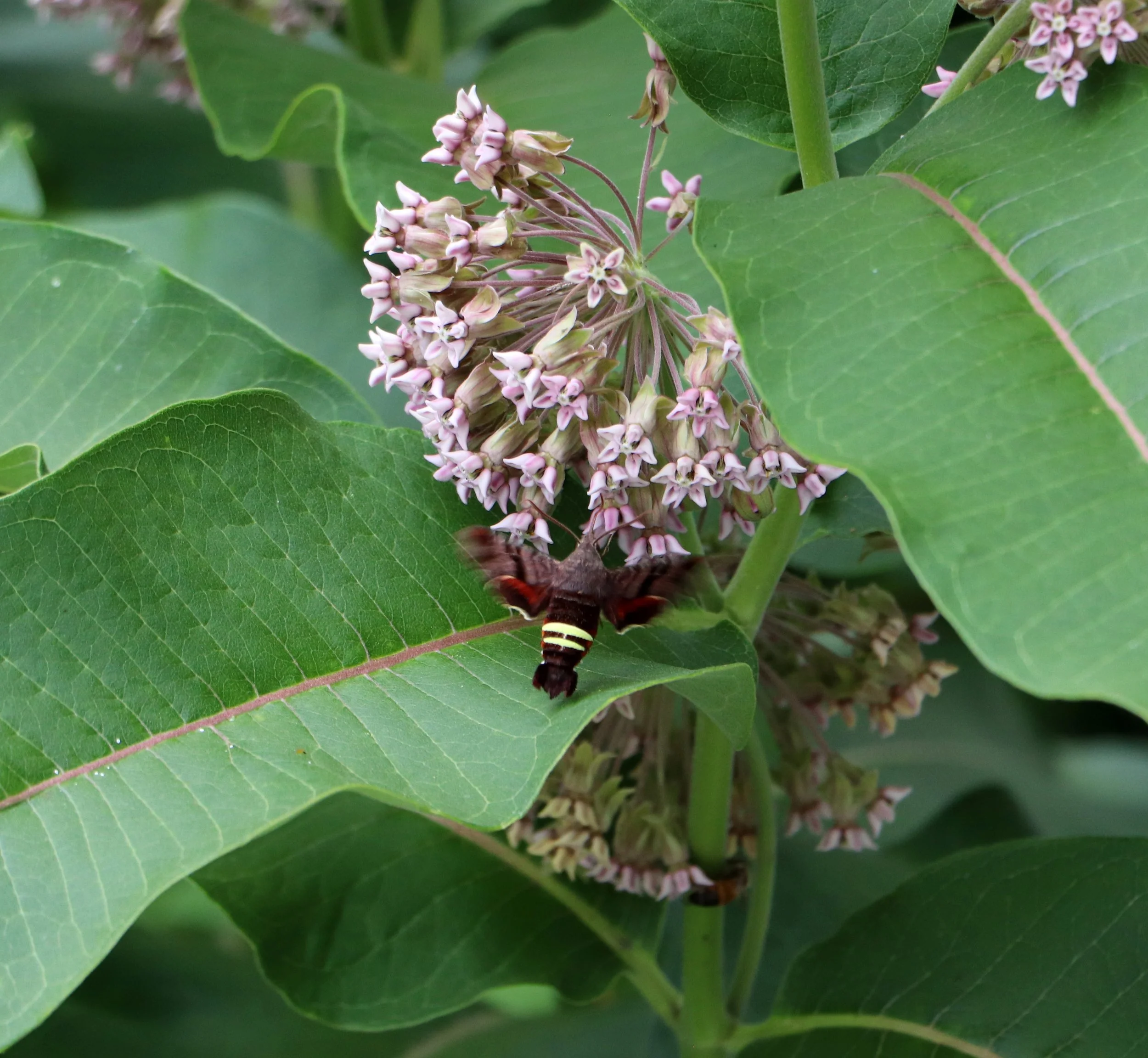
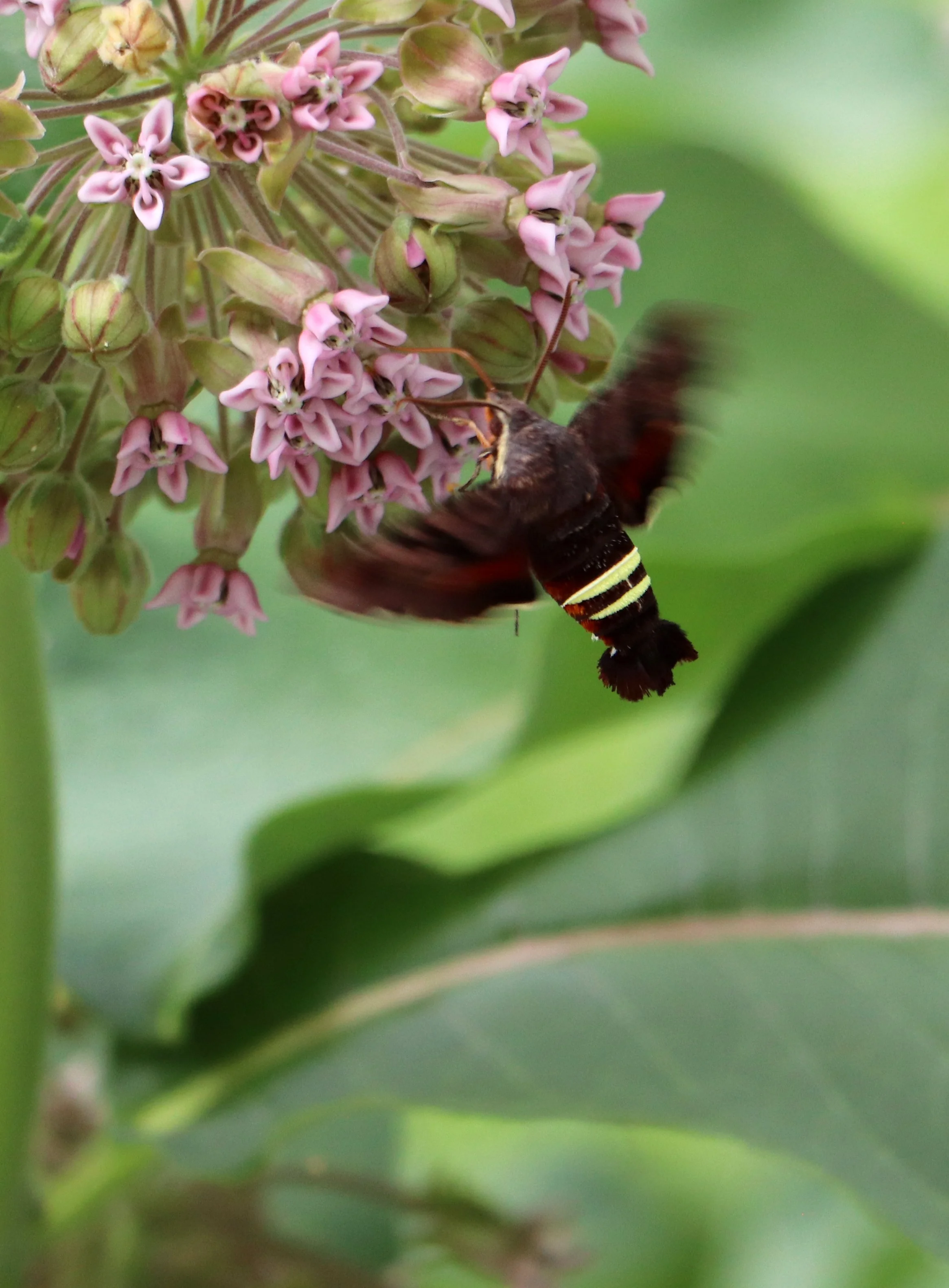
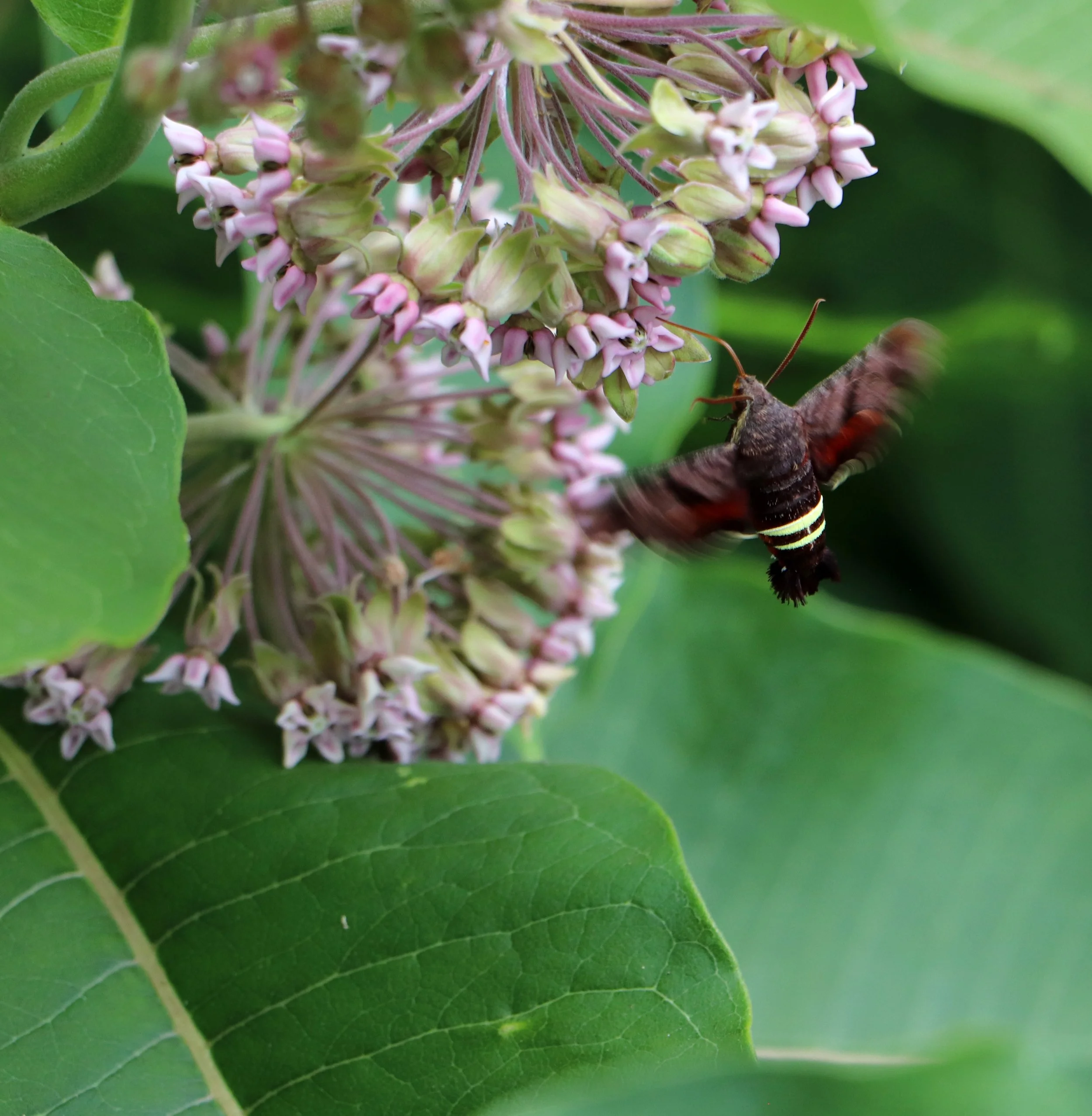
Key Identification: You can tell this is a Nessus sphinx specifically by those two bright yellow bands across its dark, reddish-brown abdomen and the distinct tufted tail.
In the northern United States, including Michigan, the Nessus sphinx typically has just one generation per year. The adults emerge from their winter pupae and are on the wing from late April through July.
Unlike the vast majority of moths that hide until the dead of night, the Nessus sphinx is primarily diurnal and crepuscular. This means they love flying in the bright afternoon sun and right around dusk
That striking abdomen coloration is a classic example of Batesian mimicry. It mimics the look of a stinging wasp or hornet to trick predatory birds into thinking it’s a dangerous snack, even though it is completely harmless.
Hummingbird Mechanics: Because they hover mid-air rather than landing flat on a flower, they rely on a incredibly rapid wingbeat. They are incredibly strong, agile flyers that zoom from bloom to bloom
The presence of this moth means your immediate environment is supporting its full life cycle. While the adults are happy to drink nectar from your milkweed, phlox, or lilacs, their caterpillars have very specific tastes
Nessus sphinx caterpillars feed almost exclusively on plants in the grape family (Vitaceae). Because Marshall and the surrounding rural countryside are full of native Wild Grape (Vitis riparia) climbing trees and Virginia Creeper (Parthenocissus quin
The "Teakettle" Caterpillar: If you ever spot one of their large, brown, horn-tailed caterpillars on a grapevine later this summer, give it a gentle nudge—they are famous for a bizarre defense mechanism where they force air through their foregut to m
Close-up of green leaves and a cluster of small pink and white flowers, with a butterfly in the bottom right corner.
Close-up of a flowering plant with tiny light pink and white flowers, green leaves, and a dark brown moth resting on a flower.
When they finish eating later in the summer, the caterpillars will crawl down into the loose soil or leaf litter beneath the vines to pupate and overwinter, waiting for next year's warm weather to start the cycle all over again.
Art and photography on this website are Copyright Lacy Chenault - Please do not use any content from this website without permission